Bike racks can scratch your car due to friction from movement, trapped dirt, improper installation, or inadequate padding. The most common culprits include loose rack fit, abrasive debris between contact points, unsecured bike components, and worn-out protective pads. Implementing five key fixes—mastering proper installation, prioritizing cleanliness, reinforcing protection with padding, optimizing bike placement, and performing routine checks—can effectively prevent these scratches and protect your vehicle’s paintwork.
Why Does My Bike Rack Scratch My Car?
Bike rack scratches are a common issue, often stemming from a combination of factors related to movement, contact, and maintenance. Identifying the root cause is the first step towards preventing future damage and preserving your vehicle’s pristine finish.
Common Culprits Behind Car Paint Damage
The primary reason for paint damage is usually friction caused by movement. Even minimal vibration during driving can allow metal, plastic, or even rubber components to rub against your car’s paint, especially over extended periods or on rough roads.
-
Loose Fit and Movement: An improperly installed or loose bike rack is a significant contributor to scratches. If the rack isn’t securely fastened to your vehicle—whether it’s a hitch, trunk, or roof-mounted system—it can shift and vibrate during transit. This constant rubbing, particularly with trunk-mounted racks where metal hooks or pads contact the car’s body, can quickly wear through paint and clear coats. For hitch racks, excessive wobble in the receiver can lead to the rack’s components hitting the bumper or tailgate.
-
Trapped Dirt and Debris: One of the most insidious causes of scratches is trapped dirt, sand, or road grit between the rack’s contact points and your car’s paint. This debris acts like sandpaper. When the rack or bike moves, even slightly, these abrasive particles grind against the finish, creating unsightly swirl marks and deeper scratches. This is a common issue for all rack types but particularly prevalent with trunk and roof racks that sit directly on painted surfaces.
-
Improper Bike Positioning: It’s not just the rack that can cause damage; the bikes themselves are often culprits. Handlebars, pedals, wheels, or even exposed metal parts of your bicycle can swing or shift during travel, making contact with the car’s rear bumper, tailgate, or other sections. This is especially true if bikes are not loaded strategically or if individual bike components are not secured.
-
Worn or Inadequate Padding: Many bike racks come with rubber or foam padding at their contact points to protect your car’s paint. However, over time, these pads can degrade, harden, crack, or even fall off, reducing their effectiveness. Inadequate or worn padding offers less protection, allowing the harder plastic or metal components of the rack to press directly against your car’s finish.
-
Poor Quality or Damaged Rack Components: Sometimes, the problem lies with the rack itself. Low-quality racks may use inferior materials or have poorly designed contact points. A previously damaged rack with sharp edges, rust, or broken straps can directly scratch your car. Loose or frayed straps on trunk racks can also flap against the car, causing marks.
5 Quick Fixes to Prevent Bike Rack Scratches
Preventing bike rack scratches is entirely achievable with careful attention to installation, maintenance, and protective measures. Implement these five quick fixes to safeguard your car’s paintwork.
1. Master Proper Installation and Secure Tightening
|
Our Picks for the Best Bike Rack in 2026
As an Amazon Associate I earn from qualifying purchases.
|
||
| Num | Product | Action |
|---|---|---|
| 1 | 2 Bikes Floor Stand,Adjustable Bicycle Parking Rack with Hook for Garage/Indoor/Outdoor,Metal Cycle Storage Organizer Rack for Road Bikes |

|
| 2 | monTEK Swivel Bike Wall Mount, Bike Hangers for Garage, Space-Saving Vertical Bike Rack, Sturdy Bike Storage Rack Holds Up to 66lbs, Easy to Install, 4 Pack |
|
| 3 | Vertical Bike Stand, Upright Bike Parking Rack Floor, Adjustable Bicycle Storage for Wheels Sizes up to 29", Freestanding Bicycle Organizer with Swivel Casters, Indoor Bike Holder for Garage 2-Pack |
|
| 4 | Vertical Bike Parking Stand - Adjustable Height for 29"Wheels, Space-Saving & Freestanding Bike Rack for MTB/Road Bikes,No-Drill Installation Indoor Bike Storage for Apartments & Garages |
|
| 5 | Allen Sports Deluxe 4-Bike Hitch Mount Rack (2-Inch Receiver) , Black |
|
| 6 | CyclingDeal Upright Bike Stand Floor - Vertical & Horizontal Bicycle Stand Bicycle Storage - Safe & Secure Bike Storage Rack - for Wheels Sizes up to 29" - Bike Rack Garage Bicycle Rack - Classic |
|
| 7 | Young Bike Rack Hitch for Car - 200LB 2-Bike Rack Hitch Mount Platform Style Hitch Bike Rack,Smart Tilting & Easy Fold for Car SUV with 2 Inch Receiver,Bike Carrier Fits Up to 5-inch Fat Tire |
|
| 8 | KUAT Sherpa 2.0 Durable Lightweight Aluminum Compact 2 Bike Transporting Hitch Rack with Cable Lock & Foldable Tire Cradles | Capacity - 40 Lbs per Tray |
|
| 9 | CHEPARK Bike Floor Stand Rack- Indoor Bike Stand for Garage/Home - Bike Storage Bicycle Parking Rack Fit 20”-29” Mountain Road Bikes (1 Bike Rack) |
|
| 10 | Vertical Bike Stand, Freestanding Bike Rack Garage Storage Upright Bicycle Floor Stand Indoor Bike Holder with Adjustable Height for Garage & Apartment - for Wheels Sizes up to 29” |
|
Correct installation is the foundation of scratch prevention. A stable rack is a safe rack, both for your bikes and your car. Always follow the manufacturer’s instructions meticulously for your specific rack model and vehicle type.
-
Hitch Racks: Anti-Wobble and Receiver Fit: For hitch-mounted racks, ensure the rack is fully inserted into the hitch receiver. The key to preventing movement is often an anti-wobble system or hitch tightener. These devices eliminate play within the receiver, drastically reducing side-to-side motion that can cause the rack to bump or rub against your vehicle. Once installed, give the entire rack a firm shake to confirm it feels solid and has minimal movement.
-
Trunk Racks: Strap Tension and Stability: Trunk-mounted racks rely on straps and hooks for stability. Tighten all straps firmly to secure the rack to the trunk or hatch. However, avoid over-tightening, as this can pull the rack or bikes too close to the car, increasing the risk of pressure points and rubbing. After driving a short distance, pull over and re-check all straps and contact points. Vibrations during travel can sometimes loosen straps, requiring minor adjustments to maintain optimal tension.
> “Many minor errors in setup can cause visible damage. With the right hitch bike rack, careful installation, and smart everyday habits, you can protect your vehicle while still enjoying stress-free bike transportation.” – OCNJ Daily, Automotive Care Expert
2. Prioritize Cleanliness at All Contact Points
Dirt and grit are silent destroyers of car paint. Even microscopic particles can create scratches when trapped under pressure. Maintaining cleanliness is a simple yet highly effective preventative measure.
-
Pre-Installation Wipe-Down: Before every installation, thoroughly clean both the car’s surface where the rack will make contact and the rack’s pads or feet. Use a clean microfiber cloth and mild soap and water to remove any dust, sand, or road grime. This creates a clean barrier, preventing abrasive particles from grinding against your paint.
-
Regular Rack and Car Maintenance: Don’t just clean before installation. Regularly wash your bike rack, especially its contact points and moving parts, to prevent dirt buildup. Similarly, frequent car washes, particularly around the areas where the rack attaches, will reduce the presence of abrasive materials. Check the rubber contact points on your rack for any embedded debris and clean them thoroughly.
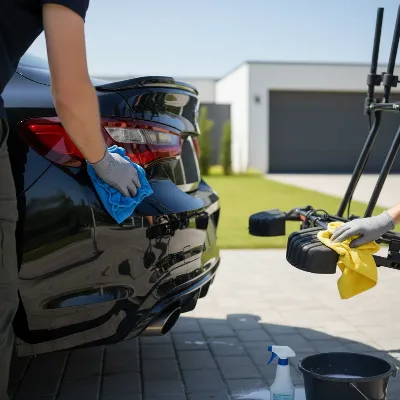 Person wiping down car surface and bike rack pads before installation to prevent scratches
3. Reinforce Protection with Padding and Films
Even with a perfectly installed and clean rack, adding extra layers of protection can provide an invaluable safeguard against scratches. These solutions create a sacrificial barrier that absorbs friction and impacts.
-
Specialized Protectors and Foam: Invest in dedicated car scratch protectors designed for bike racks. These often consist of durable nylon with a soft flannel or silicone side that faces your car, providing a protective cushion under hooks and pads. Alternatively, you can use heavy-duty foam padding, such as sections of pool noodles or industrial foam liner, at contact points. These can be secured with velcro straps or strong adhesive.
-
Paint Protection Film (PPF) and Wax: For long-term protection on high-contact areas, consider applying a clear paint protection film (PPF) to your vehicle. This durable, transparent film creates a robust barrier against abrasions and impacts. As a simpler alternative, applying a good quality car wax to the contact areas before installing the rack can create a slick surface that reduces friction and offers a sacrificial layer of protection.
4. Optimize Bike Placement and Secure Components
The way you load your bikes is just as crucial as how you install the rack. Incorrect bike positioning or unsecured components are common sources of car paint damage.
-
Strategic Loading and Component Adjustment: When loading multiple bikes, place the heaviest bike closest to the vehicle (on hitch racks) to minimize leverage and movement. Take the time to rotate handlebars and adjust pedals so they are not protruding and cannot make contact with your car’s bumper, tailgate, or windows. Many bike racks allow for some adjustability in how bikes are oriented.
-
Tying Down Loose Parts: Secure any loose bike components. Front wheels can be secured to the bike frame or the rack itself with bungee cords or straps to prevent them from spinning and swinging into the car. Similarly, strap down pedals or use foam padding around them if they are close to the vehicle’s surface. Even loose helmet straps or bike accessories can flap in the wind and cause micro-scratches over time.
5. Implement Routine Checks and Maintenance
Proactive maintenance and regular inspections are vital for long-term scratch prevention. Don’t wait until you see damage to address potential issues.
-
Pre-Trip Inspection Checklist: Before every trip, perform a quick checklist: Is the rack secure? Are all straps tight? Are the bikes firmly attached and not swinging? Are there any visible gaps where paint could be exposed to rubbing? Are the contact pads in good condition? A minute or two of inspection can save you costly paint repairs. You can also listen for any unusual noises while driving, indicating potential contact.
-
Addressing Wear and Tear: Over time, rubber pads can harden or crack, and bolts can loosen. Regularly inspect your rack for signs of wear and tear, replacing degraded components as needed. Lubricate moving joints if your rack has tilt mechanisms to ensure smooth operation without jerking, which could cause sudden contact. Promptly addressing these small issues prevents them from escalating into larger problems that can damage your car.
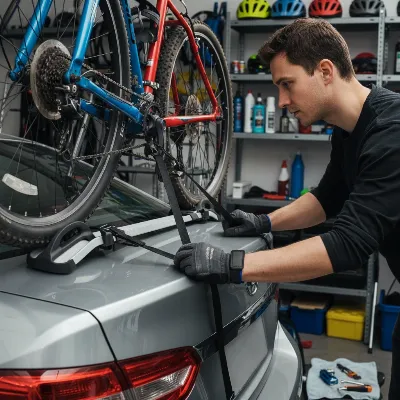 Person inspecting bike rack for wear and tightness on a car with bikes loaded
Conclusion
A bike rack is an indispensable tool for adventurers, but it shouldn’t come at the expense of your car’s paintwork. Understanding why your bike rack might be scratching your car—from subtle vibrations and trapped grit to improper installation or bike placement—empowers you to take preventative action. By meticulously following proper installation procedures, prioritizing cleanliness, leveraging protective padding, securing bikes effectively, and performing routine maintenance, you can virtually eliminate the risk of scratches. These quick fixes are not just about protecting your vehicle; they’re about ensuring peace of mind so you can focus on the open road and the joy of your ride. What steps will you take today to ensure your car remains scratch-free on your next cycling adventure?
Frequently Asked Questions
How can I stop my bike pedals from scratching my car’s bumper?
To prevent pedals from scratching your car, rotate the cranks so the pedals are in an upward or inward position, minimizing their protrusion. Secure the bike’s front wheel and pedals with bungee cords or straps to prevent any movement during transit. Consider adding foam padding around the pedals for an extra layer of protection if they are close to the car’s surface.
Are hitch-mounted bike racks safer for car paint than trunk racks?
Generally, hitch-mounted bike racks are considered safer for car paint because they typically do not make direct contact with the vehicle’s painted surfaces. Trunk racks, by design, rest on the trunk or bumper and use straps, creating more potential points of friction. However, even hitch racks require proper installation (e.g., anti-wobble devices) and secure bike loading to prevent bikes from swaying into the car.
What kind of padding works best to prevent bike rack scratches?
High-quality, durable rubber or dense foam padding is highly effective. Many specialized car scratch protectors feature a soft, non-abrasive fabric (like flannel) on the side facing the car. For custom solutions, materials like foam pipe insulation or industrial foam liners can be cut and attached to the rack’s contact points for added cushioning.
Frequently Asked Questions
How do I stop bike pedals from scratching my car's bumper?
To prevent pedals from scratching your car, rotate the cranks so the pedals face upward or inward, reducing their protrusion. Secure the bike's front wheel and pedals with bungee cords or straps to minimize movement during transit. Adding foam padding around pedals close to the car's surface provides an extra layer of protection.
Are hitch-mounted bike racks safer for car paint compared to trunk racks?
Generally, hitch-mounted bike racks are safer for car paint because they typically avoid direct contact with the vehicle's painted surfaces. Trunk racks, by design, rest on the trunk or bumper and use straps, creating more potential friction points. However, proper installation with anti-wobble devices and secure bike loading is crucial for all rack types to prevent swaying into the car.
What type of padding is most effective for preventing bike rack scratches?
High-quality, durable rubber or dense foam padding is highly effective for preventing bike rack scratches. Specialized car scratch protectors often feature a soft, non-abrasive fabric like flannel on the side facing the car. For custom solutions, materials such as foam pipe insulation or industrial foam liners can be cut and attached to the rack's contact points for added cushioning.
What are the main reasons a bike rack might scratch a car?
A bike rack typically scratches a car due to friction from movement, trapped dirt and debris, improper installation leading to a loose fit, or inadequate/worn padding. Unsecured bike components like handlebars or pedals can also swing and make contact with the vehicle's paint. Addressing these factors is key to prevention.
How often should I inspect my bike rack for wear and tear?
You should perform a quick pre-trip inspection before every use to check for tightness and secure components. Additionally, conduct a more thorough inspection of your bike rack for wear and tear, such as hardened or cracked rubber pads and loose bolts, at least once a month or after every few uses. Promptly replace any degraded components to prevent car damage.
Prevent Bike Rack Scratches on Your Car
Follow these five steps to effectively prevent your bike rack from scratching your car's paintwork, ensuring stress-free bike transportation.
Always follow the manufacturer's instructions meticulously for your specific rack model and vehicle type. For hitch racks, use an anti-wobble system; for trunk racks, tighten all straps firmly but avoid over-tightening. A stable rack minimizes movement and potential rubbing.
Before every installation, thoroughly clean both the car's surface where the rack will make contact and the rack's pads or feet using a microfiber cloth and mild soap. This removes abrasive particles like dust and sand that can act like sandpaper. Regularly wash your bike rack and car contact areas.
Add extra layers of protection using specialized car scratch protectors, heavy-duty foam padding, or even sections of pool noodles at contact points. For long-term protection, consider applying a clear paint protection film (PPF) or a good quality car wax to high-contact areas on your vehicle.
Load bikes strategically, placing the heaviest closest to the vehicle on hitch racks. Rotate handlebars and adjust pedals to prevent them from protruding and making contact with your car. Secure any loose bike components like front wheels or pedals with bungee cords or straps to prevent swinging during travel.
Before every trip, perform a quick checklist: ensure the rack is secure, all straps are tight, and bikes are firmly attached. Regularly inspect your rack for signs of wear and tear, such as degraded rubber pads or loose bolts, and replace components as needed. Proactive maintenance prevents small issues from escalating into costly paint damage.

The advice on mastering proper installation was helpful, and I definitely tightened things up. My main issue is still with abrasive debris getting trapped. Even after cleaning, it seems like dust just finds its way in. It’s better, but not completely solved for me.
My biggest problem was always unsecured bike components rubbing against my car. I started using extra bungee cords and velcro straps to really secure everything down, just like suggested. It’s made a huge difference, and my car’s paint is finally safe. Simple fix, but super effective!
I was so frustrated with my old rack always leaving marks, especially on long trips. The tip about reinforcing protection with extra padding was a game-changer. I added some dense foam where the rack meets my SUV and haven’t seen a single new scratch since. It’s such a relief to not worry about my paint anymore.
I always thought I was installing my hitch rack correctly, but the section on loose rack fit really made me re-evaluate. I realized I wasn’t getting it as snug as it needed to be. After adjusting my technique, the movement is minimal, and I’m seeing way less wear on my truck’s bumper. Good practical advice.