For cycling enthusiasts who rely on a steel hitch bike rack, safeguarding your investment against the relentless march of rust is paramount. These robust carriers, while designed for durability, are constantly exposed to harsh elements—rain, road salt, humidity, and varying temperatures—all of which accelerate the oxidation process. A rusty bike rack not only compromises its aesthetic appeal but, more critically, can weaken its structural integrity and impair the functionality of essential moving parts, putting your valuable bicycles at risk. Understanding the science behind rust and implementing a consistent prevention strategy is key to extending the life of your rack and ensuring countless safe journeys. This comprehensive guide will equip you with the knowledge and practical steps to effectively prevent rust, maintain your steel hitch bike rack, and keep it performing optimally for years to come.
Understanding Rust and Its Impact
Rust, scientifically known as iron oxide, is a common form of corrosion that specifically affects iron and its alloys, such as steel. It occurs when iron is exposed to oxygen and moisture—a chemical reaction that slowly degrades the metal. This process is accelerated by various environmental factors, including high humidity, exposure to road salt (especially prevalent in winter conditions), fluctuations in temperature, rain, and wind. These elements combine to create an ideal environment for rust to thrive, turning shiny steel into brittle, reddish-brown flakes.
Why Rust Matters for Your Bike Rack
The presence of rust on your steel hitch bike rack is more than just an unsightly cosmetic issue; it poses significant risks to the rack’s performance and safety. As rust develops, it compromises the structural integrity of the steel, potentially weakening critical load-bearing components like the hitch arm or support trays. This degradation can lead to failures during transport, endangering your bicycles and other road users. Rust can seize up moving parts such as hinges, locking mechanisms, and adjustment points, making it difficult or impossible to properly secure your bikes or even remove the rack from your vehicle. Maintaining a rust-free rack ensures its reliability, extends its lifespan, and protects your investment in both the rack and your bicycles.
Proactive Strategies for Rust Prevention
Preventing rust on a steel hitch bike rack is significantly easier and more cost-effective than attempting to repair advanced corrosion. A proactive approach, focusing on regular maintenance and protective measures, will safeguard your rack from the damaging effects of the elements. By integrating a few simple habits into your routine, you can ensure your rack remains in prime condition, ready for any adventure.
Regular Cleaning and Drying
|
Our Picks for the Best Bike Rack in 2026
As an Amazon Associate I earn from qualifying purchases.
|
||
| Num | Product | Action |
|---|---|---|
| 1 | KUAT Sherpa 2.0 Durable Lightweight Aluminum Compact 2 Bike Transporting Hitch Rack with Cable Lock & Foldable Tire Cradles | Capacity - 40 Lbs per Tray |

|
| 2 | Young Bike Rack Hitch for Car - 200LB 2-Bike Rack Hitch Mount Platform Style Hitch Bike Rack,Smart Tilting & Easy Fold for Car SUV with 2 Inch Receiver,Bike Carrier Fits Up to 5-inch Fat Tire |
|
| 3 | Vertical Bike Parking Stand - Adjustable Height for 29"Wheels, Space-Saving & Freestanding Bike Rack for MTB/Road Bikes,No-Drill Installation Indoor Bike Storage for Apartments & Garages |
|
| 4 | monTEK Swivel Bike Wall Mount, Bike Hangers for Garage, Space-Saving Vertical Bike Rack, Sturdy Bike Storage Rack Holds Up to 66lbs, Easy to Install, 4 Pack |
|
| 5 | Vertical Bike Stand, Upright Bike Parking Rack Floor, Adjustable Bicycle Storage for Wheels Sizes up to 29", Freestanding Bicycle Organizer with Swivel Casters, Indoor Bike Holder for Garage 2-Pack |
|
| 6 | Vertical Bike Stand, Freestanding Bike Rack Garage Storage Upright Bicycle Floor Stand Indoor Bike Holder with Adjustable Height for Garage & Apartment - for Wheels Sizes up to 29” |
|
| 7 | 2 Bikes Floor Stand,Adjustable Bicycle Parking Rack with Hook for Garage/Indoor/Outdoor,Metal Cycle Storage Organizer Rack for Road Bikes |
|
| 8 | CyclingDeal Upright Bike Stand Floor - Vertical & Horizontal Bicycle Stand Bicycle Storage - Safe & Secure Bike Storage Rack - for Wheels Sizes up to 29" - Bike Rack Garage Bicycle Rack - Classic |
|
| 9 | Allen Sports Deluxe 4-Bike Hitch Mount Rack (2-Inch Receiver) , Black |
|
| 10 | CHEPARK Bike Floor Stand Rack- Indoor Bike Stand for Garage/Home - Bike Storage Bicycle Parking Rack Fit 20”-29” Mountain Road Bikes (1 Bike Rack) |
|
One of the most fundamental steps in rust prevention is consistent cleaning and thorough drying. After each use, especially if your rack has been exposed to rain, snow, mud, or particularly corrosive road salt, it’s crucial to clean it promptly. Use a mild soap solution and a soft brush or sponge to gently remove any dirt, grime, and salt residue. Harsh chemicals should be avoided as they can strip away protective coatings. Once cleaned, dry the entire rack completely with a clean microfiber cloth. Moisture is rust’s best friend, so ensuring every crevice is dry is a vital step in preventing its formation. Pay special attention to hidden areas and joints where water can accumulate.
Lubrication and Grease Application
Regular lubrication of moving parts is essential to prevent rust from seizing up the rack’s mechanisms and to ensure smooth operation. Focus on hinges, locks, and any pivot points that allow the rack to fold, tilt, or adjust. Products like silicone-based lubricants or specialized metal protectants such as Boeshield T9 are ideal, as they resist moisture and maintain fluidity without damaging finishes. Apply a small amount every few months or as needed, wiping away any excess to avoid attracting dirt. Greasing the hitch pin and the inside of the hitch receiver is critical. This not only prevents rust in a high-friction, high-exposure area but also makes installation and removal of the rack significantly easier.
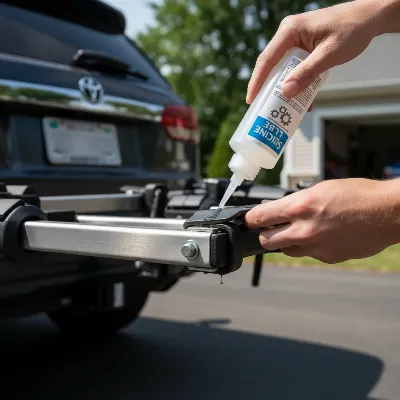 Maintaining a steel hitch bike rack by cleaning and lubricating its components to prevent rust and ensure smooth operation
Protective Coatings and Treatments
Beyond cleaning and lubrication, applying protective coatings offers an additional layer of defense against rust. Several products are designed to create a barrier between the steel and the environment. Spray-on metal protectants, such as Waxoyl, or rust inhibitors specifically formulated for powder-coated surfaces, can significantly enhance your rack’s resistance to corrosion. These coatings effectively seal the metal, repelling water and salt. Some high-quality racks come with advanced factory coatings, like a sandblasting process before powder coating to improve adhesion, and Dacromet-treated screws for superior rust resistance. While these factory treatments provide an excellent foundation, periodic reapplication of protective sprays can further extend their effectiveness, particularly in areas prone to wear or chipping.
Addressing Existing Rust and Long-Term Care
Even with diligent prevention, minor surface rust can occasionally appear, especially on older racks or in extremely harsh conditions. Knowing how to address existing rust effectively and implementing consistent long-term care practices are crucial for maintaining your steel hitch bike rack’s integrity and extending its useful life. These steps ensure that small issues don’t escalate into significant problems, preserving both the function and appearance of your rack.
How to Remove Existing Rust
If you discover surface rust on your rack, act quickly to prevent it from spreading. Start by using a wire brush or fine-grit sandpaper to gently scrub away the visible rust. For more stubborn spots, a wire wheel on a drill can be effective, but use it carefully to avoid damaging the underlying metal or existing finishes. Once the rust is removed, clean the affected area thoroughly with a degreaser, rubbing alcohol, or soap and water to eliminate any residue and prepare the surface. After drying, apply a rust-converting primer or a specialized rust-preventative paint, such as Rustoleum, Tremclad, or Rust Reformer. These products can neutralize remaining rust and create a protective barrier. For internal components or hard-to-reach areas, a spray like WD-40 can also help contain rust and add a layer of protection.
Proper Storage for Longevity
The way you store your bike rack when not in use significantly impacts its longevity and susceptibility to rust. Ideally, remove your hitch bike rack from your vehicle when it’s not needed, especially during seasons when it won’t be used frequently, or if you live in an area with heavy road salt usage in winter. Store the rack in a clean, dry environment, such as a garage or shed, away from direct exposure to the elements. This protects it from rain, snow, and excessive humidity. For an added layer of protection, consider using a protective cover designed for bike racks. This simple step shields the rack from dust, debris, and ambient moisture, further reducing the risk of corrosion. Proper storage minimizes unnecessary wear and tear, contributing to the rack’s overall durability.
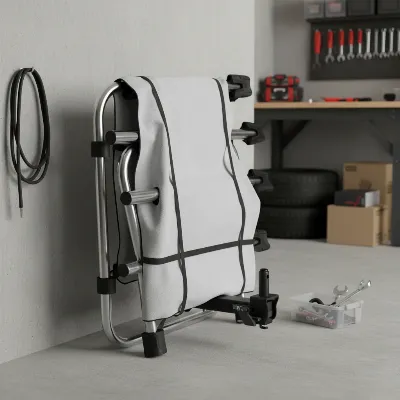 Storing a steel hitch bike rack safely in a garage to prevent rust and extend its lifespan
Routine Inspections
Regular inspections are a cornerstone of long-term maintenance for your steel hitch bike rack. Make it a habit to examine your rack before and after each use, or at least monthly if it remains mounted on your vehicle. Look for any signs of wear, loose bolts, cracks, or damage to welds or protective coatings. Pay close attention to all moving parts, hinges, and the hitch mechanism itself. Test all locks and security features to ensure they are functioning smoothly and securely. Promptly address any issues you discover: tighten loose fasteners, reapply lubricant where needed, or touch up any chipped paint or areas where rust might be starting to form. Ignoring minor problems can quickly lead to more significant and costly repairs down the line, so early detection and intervention are key to preserving your rack.
Choosing the Right Rust Protection Products
Selecting the appropriate rust protection products is crucial for maintaining your steel hitch bike rack effectively. The market offers a range of solutions, each designed for specific purposes in the battle against corrosion. Understanding the different types and what to look for will help you make informed decisions, ensuring you apply the most effective treatments for your rack.
Overview of Product Types
Rust protection products typically fall into several categories:
- Lubricants: These reduce friction on moving parts and create a moisture-repellent barrier. Examples include silicone-based sprays, white lithium grease, and specialized products like Boeshield T9, which is known for its rust-inhibiting properties.
- Rust Inhibitors/Sealants: These coatings form a protective layer over the metal, preventing oxygen and moisture from reaching the steel. Options range from clear coatings and wax-based sprays (like Waxoyl) to rust-converting primers that chemically transform existing rust into a stable, paintable surface.
- Touch-Up Paints/Coatings: For areas where the original powder coating or paint has chipped, these products provide a color-matched layer that seals the exposed metal and prevents new rust from forming. Rust-oleum and Tremclad are popular choices for their rust-preventative qualities.
Key Features to Look For
When choosing rust protection products, consider these essential features:
- Durability and Weather Resistance: Opt for products that offer long-lasting protection against harsh weather conditions, including UV exposure, rain, and road salt.
- Compatibility with Existing Coatings: Ensure the product is safe to use on powder-coated or painted surfaces without causing degradation. Silicone-based lubricants are generally safe for most finishes.
- Ease of Application: Sprays and brush-on solutions are common. Choose products that are easy to apply evenly, especially in complex areas or tight spaces.
- Specific Application: Consider if you need a product for moving parts, exposed metal, or for treating existing rust. Some products are versatile, while others are highly specialized.
“Consistent and preventative maintenance is the true secret to a long-lasting bike rack. Don’t wait for rust to appear; protect it before it starts.” – Bike Rack Pro, Lead Technician at ReviewRevise.com
Conclusion
Preventing rust on your steel hitch bike rack is an essential aspect of responsible ownership, safeguarding both your investment and the safety of your bicycles. By embracing a proactive approach that includes regular cleaning and thorough drying, consistent lubrication of moving parts, and the strategic application of protective coatings, you can significantly extend the lifespan of your rack. Promptly addressing any nascent rust with appropriate removal and treatment methods, combined with mindful storage and routine inspections, will ensure your rack remains a reliable and visually appealing companion for all your cycling adventures. Don’t let corrosion compromise your passion; dedicate a little time to prevention, and your steel hitch bike rack will continue to serve you faithfully for many years to come. What are your most challenging experiences with bike rack rust, and how have you overcome them?
Frequently Asked Questions
How often should I clean my bike rack?
It’s best to clean your bike rack after every use, especially if it has been exposed to rain, snow, mud, or road salt. This immediate attention prevents corrosive elements from settling and starting the rust process, ensuring your rack stays clean and protected.
Can I use car wax on my bike rack for rust prevention?
While car wax can provide a temporary hydrophobic layer, it’s generally not as durable or effective as dedicated rust inhibitors or wax-based protective sprays for long-term rust prevention on steel components. For better results, opt for products specifically designed for metal protection.
What kind of lubricant is best for the moving parts?
Silicone-based lubricants or specialized metal protectants like Boeshield T9 are highly recommended for the moving parts of your bike rack. These products effectively reduce friction, repel moisture, and resist attracting dirt, ensuring smooth operation without damaging existing finishes.
Is it okay to leave my steel bike rack on my car all winter?
Leaving a steel bike rack on your car all winter, especially in areas with road salt, significantly increases its exposure to corrosive elements and accelerates rust formation. It’s highly advisable to remove and properly store the rack in a dry environment during off-season or harsh weather conditions.
How can I tell if the rust on my rack is superficial or structural?
Superficial rust typically appears as a reddish-brown stain on the surface and can often be removed with a wire brush or sandpaper. Structural rust, however, shows signs of pitting, flaking, or metal loss, indicating a compromise in the rack’s strength. If in doubt, consult a professional.
Are there any specific products to avoid?
Avoid harsh chemical cleaners or abrasive scouring pads that can strip away protective powder coatings or finishes, leaving the bare steel vulnerable to rust. Also, be cautious with petroleum-based lubricants on plastic components as they can sometimes degrade certain types of plastics.
