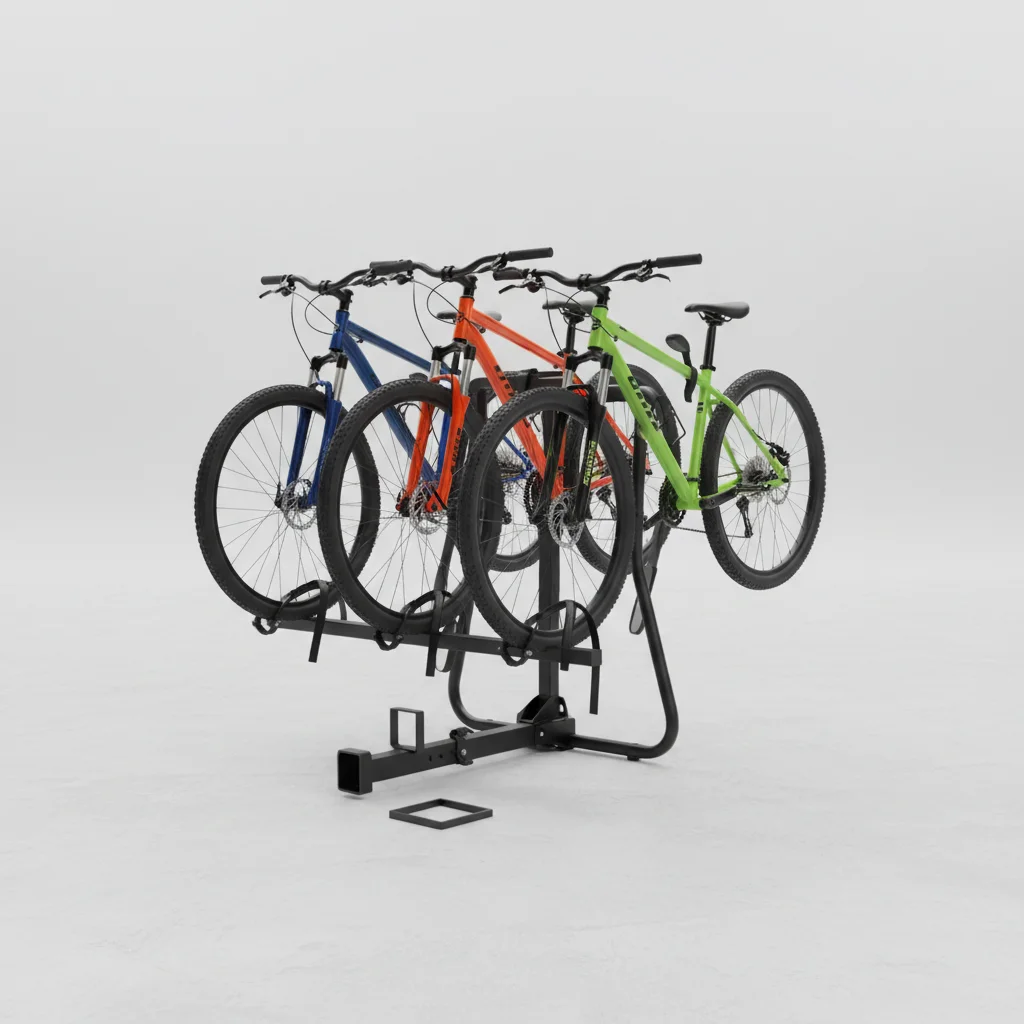
When selecting a hitch bike rack for your car, understanding the correct receiver size is paramount for safety and compatibility. Most cars are equipped with either a 1.25-inch or a 2-inch receiver hitch, with the latter being more common on larger vehicles and offering greater weight capacity. Choosing the appropriate size ensures a secure fit, prevents wobbling, and allows for the safe transport of your bicycles.
The receiver hitch on your car is the square opening where the bike rack’s shank inserts. It’s crucial to measure this opening accurately before purchasing a bike rack. A mismatch in size can lead to instability, potential damage to your vehicle or bikes, and even dangerous situations on the road. While adapters exist, using a rack that directly matches your receiver size is always recommended for optimal performance and security. For explore our bike racks reviews on this site.
Understanding 1.25-inch Receiver Hitches
The 1.25-inch receiver hitch is typically found on smaller cars, sedans, and some compact SUVs. These hitches are designed for lighter loads and are often rated for a maximum of two bikes. If your car has a 1.25-inch receiver, you’ll need a bike rack specifically designed for this size. Attempting to use a 2-inch rack with an adapter can introduce more play and reduce the overall stability of the setup, especially with heavier bikes or on rough terrain.
Many popular bike rack brands offer models specifically for 1.25-inch receivers, often with options for carrying one or two bicycles. These racks are generally lighter and more compact, aligning with the smaller vehicle types they are designed for. Always check the weight capacity of both your hitch and the bike rack to ensure they can safely accommodate your bikes.
Understanding 2-inch Receiver Hitches
The 2-inch receiver hitch is the most common size found on larger sedans, SUVs, trucks, and RVs. This size offers significantly greater strength and weight capacity, making it suitable for carrying multiple bikes, heavier electric bikes, or even cargo carriers. If your car has a 2-inch receiver, you’ll have a wider range of bike rack options available, including those designed for three, four, or even five bikes.
Bike racks for 2-inch receivers often feature more robust construction and advanced anti-wobble mechanisms due to the increased load they are expected to carry. This larger size also provides more stability, which is particularly beneficial when transporting expensive bikes or driving long distances. Many premium bike racks are exclusively designed for 2-inch receivers due to these advantages.
Identifying Your Car’s Receiver Hitch Size
|
Our Picks for the Best Bike Rack in 2026
As an Amazon Associate I earn from qualifying purchases.
|
||
| Num | Product | Action |
|---|---|---|
| 1 | 2 Bikes Floor Stand,Adjustable Bicycle Parking Rack with Hook for Garage/Indoor/Outdoor,Metal Cycle Storage Organizer Rack for Road Bikes |

|
| 2 | CyclingDeal Upright Bike Stand Floor - Vertical & Horizontal Bicycle Stand Bicycle Storage - Safe & Secure Bike Storage Rack - for Wheels Sizes up to 29" - Bike Rack Garage Bicycle Rack - Classic |
|
| 3 | Vertical Bike Stand, Upright Bike Parking Rack Floor, Adjustable Bicycle Storage for Wheels Sizes up to 29", Freestanding Bicycle Organizer with Swivel Casters, Indoor Bike Holder for Garage 2-Pack |
|
| 4 | Allen Sports Deluxe 4-Bike Hitch Mount Rack (2-Inch Receiver) , Black |
|
| 5 | Vertical Bike Parking Stand - Adjustable Height for 29"Wheels, Space-Saving & Freestanding Bike Rack for MTB/Road Bikes,No-Drill Installation Indoor Bike Storage for Apartments & Garages |
|
| 6 | Young Bike Rack Hitch for Car - 200LB 2-Bike Rack Hitch Mount Platform Style Hitch Bike Rack,Smart Tilting & Easy Fold for Car SUV with 2 Inch Receiver,Bike Carrier Fits Up to 5-inch Fat Tire |
|
| 7 | KUAT Sherpa 2.0 Durable Lightweight Aluminum Compact 2 Bike Transporting Hitch Rack with Cable Lock & Foldable Tire Cradles | Capacity - 40 Lbs per Tray |
|
| 8 | monTEK Swivel Bike Wall Mount, Bike Hangers for Garage, Space-Saving Vertical Bike Rack, Sturdy Bike Storage Rack Holds Up to 66lbs, Easy to Install, 4 Pack |
|
| 9 | CHEPARK Bike Floor Stand Rack- Indoor Bike Stand for Garage/Home - Bike Storage Bicycle Parking Rack Fit 20”-29” Mountain Road Bikes (1 Bike Rack) |
|
| 10 | Vertical Bike Stand, Freestanding Bike Rack Garage Storage Upright Bicycle Floor Stand Indoor Bike Holder with Adjustable Height for Garage & Apartment - for Wheels Sizes up to 29” |
|
The easiest way to determine your car’s receiver hitch size is to measure the inside dimensions of the square opening. Use a tape measure to check both the height and width. A 1.25-inch hitch will measure approximately 1.25 inches by 1.25 inches, while a 2-inch hitch will measure 2 inches by 2 inches. You can also check your vehicle’s owner’s manual or look for a sticker on the hitch itself, which often indicates the class and size.
If you’re unsure, a quick visit to a local auto parts store or a hitch installation specialist can confirm the size for you. Knowing the exact size before you shop will save you time and prevent the frustration of purchasing an incompatible bike rack. Remember that some hitches might have a sleeve adapter already installed, making a 1.25-inch receiver appear as a 2-inch one. Always measure the actual receiver opening.
Considerations for Adapters and Extensions
While adapters are available to convert a 1.25-inch receiver to a 2-inch, or vice versa, their use comes with important considerations. Adapters can introduce additional play and reduce the overall weight capacity of your hitch system. This means that if your hitch is rated for 200 pounds, using an adapter might effectively lower that capacity, especially for tongue weight. It’s generally recommended to avoid adapters if possible and opt for a bike rack that directly matches your receiver size.
Similarly, hitch extensions, which move the bike rack further away from the vehicle, can also reduce the effective weight capacity and increase leverage on the hitch. These are sometimes necessary for vehicles with spare tires or unique rear designs, but they should be used with caution and always within the reduced weight limits specified by the extension manufacturer. Always prioritize a direct fit for maximum safety and stability.
Key Factors When Choosing a Hitch Bike Rack
- Receiver Size: Match your car’s hitch size (1.25-inch or 2-inch) directly.
- Bike Capacity: Determine how many bikes you need to carry.
- Bike Type: Consider the weight and frame style of your bikes (e.g., e-bikes, carbon frames).
- Weight Capacity: Ensure the rack and hitch can handle the total weight of your bikes.
- Features: Look for anti-wobble mechanisms, tilt-away access, and integrated locks.
Choosing the right hitch bike rack for your car involves more than just picking a popular model; it requires a careful assessment of your vehicle’s hitch receiver size and its weight capabilities. By understanding the differences between 1.25-inch and 2-inch receivers, and accurately identifying your car’s setup, you can ensure a safe, secure, and enjoyable experience transporting your bikes. Always prioritize compatibility and safety features to protect your investment and ensure peace of mind on the road.Investing in a high-quality rack that perfectly matches your vehicle’s specifications will pay dividends in the long run, providing reliable transport for countless adventures.
