Maintaining your hitch bike rack is crucial for its longevity and safe operation, ensuring it remains in excellent condition for years of cycling adventures. Regular cleaning, thorough lubrication of moving parts, and diligent inspections are the pillars of good rack care. Neglecting proper maintenance can lead to safety hazards, costly repairs, and even damage to your bikes or vehicle, making routine upkeep a vital practice for any bike enthusiast.
Understanding Your Hitch Bike Rack
Before diving into maintenance, it’s beneficial to understand the nuances of your specific hitch rack. Hitch bike racks primarily come in two styles: platform and hanging, each with unique characteristics that influence their care.
Platform vs. Hanging Hitch Racks
- Platform-style racks offer superior stability, especially for heavier bikes like e-bikes, by supporting the bikes by their wheels. They often feature trays, adjustable arms, and wheel straps. Maintenance for these typically involves inspecting the trays, pivots, and locking mechanisms.
- Hanging racks suspend bikes by their top tubes and are generally lighter and more compact. Their maintenance often focuses on the cradle straps, frame clamps, and pivot points.
Understanding your rack’s design helps you identify critical areas prone to wear and tear. For instance, platform racks for e-bikes require particular attention to platform supports due to the added weight, which can accelerate wear.
Key Components to Monitor
Regardless of style, several components are universal to hitch racks and demand regular inspection and care:
- Hitch connection: The part that inserts into your vehicle’s hitch receiver, including the hitch pin and anti-wobble mechanism. This area is crucial for stability.
- Moving parts: Hinges, pivots, tilt mechanisms, and folding joints. These allow the rack to fold, tilt, or adjust.
- Cradles and straps (hanging racks): The points where your bike’s frame makes contact with the rack.
- Wheel trays and straps (platform racks): Components that secure your bike’s wheels.
- Locking mechanisms: Integrated locks for the rack to the vehicle and bikes to the rack.
- Fasteners: Bolts, screws, and pins throughout the rack structure.
Chris van der Griend from Rack Attack emphasizes, “Don’t just check the arms you use every ride. Give the whole rack a once-over—look for cracks, rust or missing parts.”
Essential Maintenance Checklist
Routine maintenance doesn’t have to be complicated, but consistency is key. A simple checklist can help you ensure every critical part of your hitch rack receives the attention it needs.
Routine Inspections
Regular inspections are paramount for both safety and longevity. Ideally, inspect your rack before and after each significant use.
- Check for looseness: Ensure all fasteners, bolts, and the hitch connection itself are tight and secure. A wobbly rack can be annoying and dangerous. Most modern racks incorporate anti-wobble technology, often a threaded hitch pin, allowing you to secure the rack firmly.
- Look for damage: Examine the entire rack for any visible signs of corrosion, cracks, bends, or structural fatigue. Pay close attention to welds and stress points.
- Inspect straps and padding: Check rubber straps and padding for wear, fraying, cracks, or hardening. Damaged straps can compromise bike security and potentially scratch your bike’s finish. Replace any worn straps promptly.
- Test moving parts: Operate all hinges, pivots, and tilt functions to ensure they move smoothly and engage properly. If a mechanism feels stiff or seized, it needs attention.
Cleaning and Lubrication Schedule
|
Our Picks for the Best Bike Rack in 2026
As an Amazon Associate I earn from qualifying purchases.
|
||
| Num | Product | Action |
|---|---|---|
| 1 | 2 Bikes Floor Stand,Adjustable Bicycle Parking Rack with Hook for Garage/Indoor/Outdoor,Metal Cycle Storage Organizer Rack for Road Bikes |

|
| 2 | monTEK Swivel Bike Wall Mount, Bike Hangers for Garage, Space-Saving Vertical Bike Rack, Sturdy Bike Storage Rack Holds Up to 66lbs, Easy to Install, 4 Pack |
|
| 3 | Vertical Bike Stand, Freestanding Bike Rack Garage Storage Upright Bicycle Floor Stand Indoor Bike Holder with Adjustable Height for Garage & Apartment - for Wheels Sizes up to 29” |
|
| 4 | Vertical Bike Stand, Upright Bike Parking Rack Floor, Adjustable Bicycle Storage for Wheels Sizes up to 29", Freestanding Bicycle Organizer with Swivel Casters, Indoor Bike Holder for Garage 2-Pack |
|
| 5 | Allen Sports Deluxe 4-Bike Hitch Mount Rack (2-Inch Receiver) , Black |
|
| 6 | CHEPARK Bike Floor Stand Rack- Indoor Bike Stand for Garage/Home - Bike Storage Bicycle Parking Rack Fit 20”-29” Mountain Road Bikes (1 Bike Rack) |
|
| 7 | Vertical Bike Parking Stand - Adjustable Height for 29"Wheels, Space-Saving & Freestanding Bike Rack for MTB/Road Bikes,No-Drill Installation Indoor Bike Storage for Apartments & Garages |
|
| 8 | CyclingDeal Upright Bike Stand Floor - Vertical & Horizontal Bicycle Stand Bicycle Storage - Safe & Secure Bike Storage Rack - for Wheels Sizes up to 29" - Bike Rack Garage Bicycle Rack - Classic |
|
| 9 | Young Bike Rack Hitch for Car - 200LB 2-Bike Rack Hitch Mount Platform Style Hitch Bike Rack,Smart Tilting & Easy Fold for Car SUV with 2 Inch Receiver,Bike Carrier Fits Up to 5-inch Fat Tire |
|
| 10 | KUAT Sherpa 2.0 Durable Lightweight Aluminum Compact 2 Bike Transporting Hitch Rack with Cable Lock & Foldable Tire Cradles | Capacity - 40 Lbs per Tray |
|
Keeping your rack clean and well-lubricated will prevent rust and ensure smooth operation.
- Regular Cleaning (after each use or as needed): Dirt, grime, road salt, and debris can accumulate quickly, leading to wear and corrosion. A quick rinse with warm water and mild soap (like dish soap) is usually sufficient. Avoid harsh chemicals that can damage the rack’s finish or protective coatings. After washing, thoroughly dry the rack with a clean cloth to prevent water spots and rust. “A quick rinse with hot water and soap followed by a towel dry is usually enough,” advises Chris van der Griend. “Do it after a ride when the dirt’s fresh. It’ll save you headaches down the road.”
- Monthly Lubrication (during peak season): Focus on all moving parts: hinges, locks, pivots, and any metal-on-metal contact points. A light, weather-resistant lubricant like silicone spray or a product like Boeshield T9 is recommended. For locking hitch pins and integrated lock mechanisms, spraying the keyhole and pin with a coating spray and then rotating the key can maintain smooth operation and prevent rust. Wipe off any excess lubricant to prevent it from attracting dirt.
- Hitch receiver lubrication: A thin film of marine grease or a specialized hitch lubricant can be applied to the hitch pin and the inside of the hitch receiver to prevent rust and make installation and removal easier. However, some advise against excessive greasing of the receiver itself to avoid attracting debris.
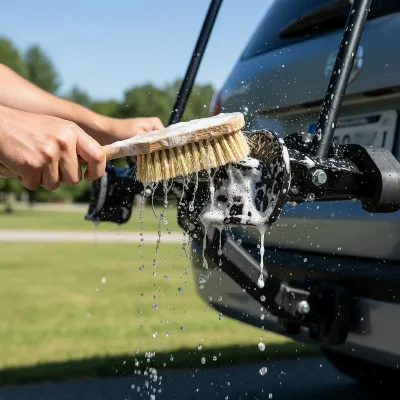 A person cleaning a hitch bike rack with mild soap and water, wiping down metal surfaces and moving parts.
Addressing Common Issues
Even with regular maintenance, some issues might arise. Knowing how to address them can save you time and frustration.
- Rust: Surface rust is common, especially in areas exposed to road salt or moisture. For minor rust, scrub with a wire brush, clean thoroughly with soap and water, and then apply an anti-rust spray or a rust reformer. Lubricating moving parts and applying protective sprays can help prevent future corrosion.
- Sticking mechanisms: If hinges or tilt functions become stiff, thoroughly clean the area to remove any accumulated dirt and re-lubricate. Some specific racks (like 1Up) might have tightened nyloc nuts causing sticking, which requires adjustment rather than lubrication. Always consult your rack’s manual for specific troubleshooting.
- Wobbling: If your rack still wobbles after tightening the hitch pin, inspect the anti-wobble mechanism for wear or damage. Ensure the hitch pin is fully engaged and threaded types are tightened securely.
Maximizing Your Rack’s Lifespan
Beyond routine checks, thoughtful choices regarding products, storage, and knowing when to seek professional help contribute significantly to your hitch rack’s longevity.
Choosing the Right Maintenance Products
Selecting appropriate cleaning agents and lubricants is crucial.
- Cleaners: Stick to mild soap and water or specialized bike wash solutions. Avoid harsh degreasers, abrasive cleaners, or pressure washers, which can damage finishes, seals, or even force water into sensitive mechanisms.
- Lubricants: For general moving parts, silicone spray or a dry lubricant is excellent as it resists water and doesn’t attract excessive dirt. For hitch pins and threaded anti-wobble bolts, a durable, weather-resistant grease or anti-seize compound will offer better protection against seizing and rust. Brands like Boeshield T9, Maxima High Gloss Coating, AGS Graphite Lubricant, and 3-IN-ONE Trailer Hitch Gel Lube are often recommended.
Smart Storage Solutions
How you store your hitch rack when not in use can significantly impact its lifespan.
- Remove and store: If you don’t plan to use your rack for an extended period, remove it from your vehicle. This prevents unnecessary exposure to elements, dirt, and road debris.
- Clean and dry storage: Store your rack in a clean, dry, temperature-controlled environment, such as a garage or shed.
- Protective cover: If storing the rack on your vehicle is unavoidable, use a weatherproof tarp or cover to shield it from dust, UV rays, and moisture.
- Hitch receiver cover: Always use a hitch receiver cover when the rack is removed to prevent rust and debris from entering your vehicle’s hitch.
When to Consider Replacements or Professional Service
While many maintenance tasks are DIY-friendly, some situations warrant professional attention or replacement.
- Significant damage: Cracks in the frame, severely bent components, or compromised welds indicate a serious issue that should be addressed immediately.
- Persistent wobbling: If your rack remains unstable despite tightening all components, a professional inspection can identify underlying structural issues.
- Manufacturer warranty: Many high-quality racks come with lifetime warranties. Neglecting maintenance or letting a broken part sit can void these warranties, so it’s wise to address issues promptly.
- Old or worn-out rack: Over many years of use, even a well-maintained rack will show signs of age. If multiple components are failing or the rack no longer feels secure, it might be time for a replacement.
- RV/Trailer use: Note that many bike racks are not rated for RV or trailer use due to excessive vibration and force, which can lead to premature failure. Always check your rack’s specifications.
Recommended Tools and Products
Having the right tools and products on hand makes maintenance quick and effective.
Cleaning Agents and Protectants
- Mild dish soap: An economical and effective cleaner for general dirt and grime.
- Bike wash solution: Specialized cleaners designed for bikes and bike accessories, often biodegradable.
- Soft brushes and sponges: To safely scrub surfaces without scratching.
- Microfiber towels: For drying and polishing.
- Protective wax or spray: Products like Turtle Wax or silicone spray can add a protective layer to metal surfaces against elements.
Lubricants and Anti-Seize Compounds
- Silicone spray: Excellent for rubber components (straps, padding) to keep them flexible and prevent cracking, and for general moving parts.
- Dry lubricant: Good for metal-on-metal parts where you want to avoid attracting dust.
- Weather-resistant grease / Anti-seize compound: Crucial for the hitch pin, anti-wobble bolt, and inside the hitch receiver to prevent seizing and rust. Products like Boeshield T9, Maxima High Gloss Coating, AGS Graphite Lubricant, or 3-IN-ONE Trailer Hitch Gel Lube are well-regarded options.
- Graphite lubricant: Recommended by some manufacturers for specific internal pivot pins to maintain smooth lowering mechanisms.
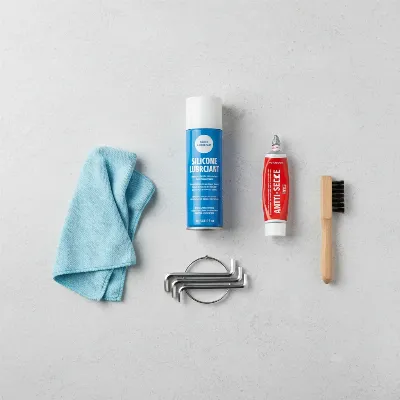 Essential tools and lubricants for maintaining a hitch bike rack, including a spray lubricant and wrench.
Essential Tools for Inspections
- Wrench set / Socket set: To check and tighten bolts and nuts.
- Allen wrenches: Many racks use Allen bolts for adjustments.
- Torque wrench: For tightening critical fasteners to manufacturer specifications, preventing over or under-tightening.
- Flashlight: To inspect hard-to-reach areas for cracks or wear.
“A light, weather-resistant lubricant goes a long way in reducing long-term maintenance costs and ensuring smooth operation,” says an expert in ADD MAGAZINE.
Taking a proactive approach with these simple tools and products can keep your hitch bike rack functioning flawlessly, securing your bikes and giving you peace of mind on every journey.
Conclusion
Maintaining your hitch bike rack is a straightforward yet critical practice that extends its lifespan, ensures the safety of your bikes, and protects your vehicle. Regular cleaning, thorough lubrication of moving parts, and diligent inspections are the pillars of good rack care. By understanding your rack’s specific components, choosing the right maintenance products, and storing it properly, you safeguard your investment and guarantee many more years of effortless bike transportation. Don’t let neglect turn your convenient bike solution into a source of frustration.
Frequently Asked Questions
Frequently Asked Questions
How often should I clean my hitch bike rack?
You should clean your hitch bike rack regularly, ideally after every significant use, especially if you've driven through dirt, rain, or road salt. A quick rinse and wipe-down will prevent grime buildup and corrosion, preserving your rack's finish and functionality.
What kind of lubricant is best for hitch bike rack moving parts?
For general moving parts like hinges and pivots, a light, weather-resistant lubricant like silicone spray or a dry lubricant is recommended. For the hitch pin and anti-wobble mechanisms, use a durable anti-seize compound or marine grease to prevent rust and ensure easy removal.
Can I take my hitch bike rack through an automatic car wash?
No, it's generally advised not to take your hitch bike rack through an automatic car wash. The harsh chemicals and high-pressure sprays can damage the rack's finish, internal mechanisms, or even cause structural bending. Manual cleaning with mild soap and water is always the safest option.
How can I prevent rust on my hitch receiver when the rack is off?
To prevent rust on your vehicle's hitch receiver, always use a hitch receiver cover when your bike rack is not installed. You can also apply a thin layer of grease or an anti-corrosion spray inside the receiver periodically to provide an extra layer of protection.
Is it okay to leave my hitch bike rack on my car all the time?
While convenient, leaving your hitch bike rack on your car continuously exposes it to the elements, road grime, and potential damage from minor bumps, accelerating wear and tear. For long-term non-use, it's best to remove, clean, and store the rack in a dry environment to extend its life.
Maintain Your Hitch Bike Rack
Follow these steps to ensure your hitch bike rack remains in optimal condition, preventing wear and tear and extending its lifespan.
Before and after each significant use, check all fasteners, bolts, and the hitch connection for looseness. Examine the entire rack for visible signs of corrosion, cracks, bends, or structural fatigue, paying close attention to welds and stress points. Inspect straps and padding for wear or damage.
After each use, especially if exposed to dirt or road salt, rinse the rack with warm water and mild soap. Avoid harsh chemicals. Thoroughly dry the rack with a clean cloth to prevent water spots and rust accumulation, which can lead to premature wear.
During peak season, lubricate all hinges, pivots, locks, and metal-on-metal contact points with a light, weather-resistant lubricant like silicone spray or Boeshield T9. For locking hitch pins, spray the keyhole and pin, then rotate the key to maintain smooth operation and prevent rust. Wipe off any excess lubricant.
For minor rust, scrub with a wire brush, clean, and apply an anti-rust spray. If mechanisms stick, clean and re-lubricate the area. For wobbling, inspect the anti-wobble mechanism and ensure the hitch pin is fully engaged and tightened securely. Consult your rack's manual for specific troubleshooting.
If not using the rack for an extended period, remove it from your vehicle and store it in a clean, dry, temperature-controlled environment like a garage or shed. Use a hitch receiver cover on your vehicle to prevent rust and debris from entering the receiver.

I appreciate the advice on cleaning, but I wish there was more specific guidance on what kind of cleaner to use for different materials. My rack has some plastic parts that I’m always worried about damaging. The general tips are helpful, but a little more detail there would have been perfect.
I’ve had my platform-style hitch rack for years and always just gave it a quick wipe down. After reading about the importance of lubricating moving parts, I finally got around to it. What a difference! Everything feels so much smoother now, and I’m confident it’ll last even longer. Thanks for the detailed tips!
This was a good reminder about regular inspections. I usually just check the hitch pin, but I hadn’t thought about really looking at the straps and cradles on my hanging rack. Found a small tear on one of the rubber straps that I can replace before it becomes a real issue. Definitely worth the extra few minutes.
As an e-bike owner, I really appreciated the mention of platform racks offering superior stability for heavier bikes. It’s why I chose mine in the first place. The tips on preventing rust are especially useful for me since I live in a humid area. Great advice for keeping my investment safe.